
Entrepreneurship has long been a cornerstone of economic growth and social mobility — serving as a vehicle for job creation, innovation, and community reinvestment. In recent years, entrepreneurship has surged, with the number of new business applications exploding in the years following the pandemic and continuing to trend upward. Young people have especially taken an interest in entrepreneurship, with one-third of teens expressing interest in starting their own business.
Young people are drawn to entrepreneurship because it offers the opportunity to build financial stability, pursue their passion, and make a positive impact on their community.
Embarking on an entrepreneurial journey comes with challenges, especially for first-generation entrepreneurs. This is where entrepreneurship education for youth becomes critical for equipping the next generation of business owners with the tools and confidence they need to succeed.
The Economic and Social Impact of Entrepreneurship
Small businesses are the backbone of the economy. In San Diego, more than 61 percent of all jobs in the region are small businesses, nearly double that of the national average. Small businesses fuel job creation in the US and are more likely to give back and donate to their local communities.
Entrepreneurship is more than a career path — it’s a driver for social mobility and generational wealth. For many, business ownership represents the chance to break free from financial constraints and create a legacy for their families with one-third of small business owners say they want to provide financial support and resources to their children.
Research shows a strong correlation between entrepreneurship and economic mobility. Counties with higher rates of self-employment tend to experience greater levels of upward economic mobility, underscoring the transformative power of entrepreneurship.
As young people increasingly express interest in starting their own businesses, it’s clear that fostering an entrepreneurial mindset early on can have far-reaching benefits for individuals and communities alike.
The Rise of First-Generation Entrepreneurs
First-generation entrepreneurs — those who are the first in their families to become business owners — often face unique hurdles. They may lack financial resources, professional networks, or even basic knowledge of how to start and run a business.
“You don’t know what you don’t know, and I literally didn’t know anything about starting a business,” said Maya Madsen, founder and CEO of Maya’s Cookies.
Madsen founded Maya’s Cookies to support her children’s college fund, and it has since become the top gourmet vegan cookie company in the nation. She was able to tap into her social network for business insight and guidance which she attributes to helping her navigate the early stages of her business ownership.
With lack of social and financial capital being the biggest barriers for first-generation entrepreneurs, entrepreneurship education is key to reducing these gaps.
Entrepreneurship Education Shapes Future Business Success
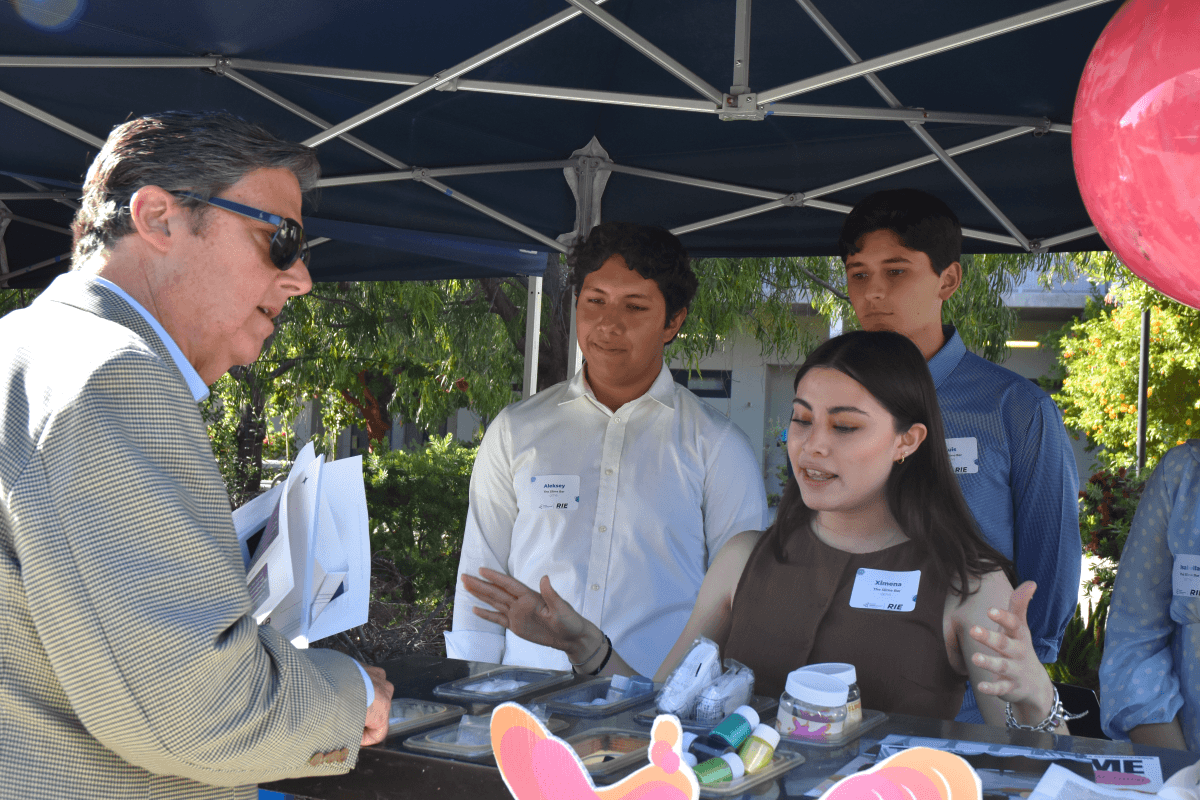
While many young people are eager to start businesses, they often lack the knowledge and skills needed to succeed. This is where entrepreneurship education comes in. Programs like Junior Achievement of San Diego County’s JA Company Program teach financial literacy, business planning, and networking — the key components of successful entrepreneurship — which inspires youth to turn their business ideas into reality.
By connecting young people with mentors and local business owners, they are able to build networks and support systems within the business community.
For first-generation entrepreneurs, having access to experienced business professionals can mean the difference between business success and failure. Mentors provide guidance and insights to help first-time business owners make informed and strategic decisions as their businesses grow.
“By me asking questions from the people that were in my network, it led me to the path of starting the first steps to running a business or starting a business. Having connections and resources to show you what it’s going to be like, good, bad, and ugly, that’s extremely helpful to help someone make that decision to take the leap and go for it,” said Madsen.
Empowering the Next Generation of Entrepreneurs
The recent surge in entrepreneurship reflects the resilience and creativity of individuals seeking to build better futures for themselves and their communities. Ensuring access to resources, mentorship, and education can help bring young people’s dream of business success to fruition.
Partnerships like JA San Diego’s collaboration with the Burnham Center for Community Advancement provide student entrepreneurs from underinvested communities with seed funding to launch their business ventures. The investment of social and financial capital in future small business owners empowers young people and strengthens the regional economy.
“We believe the future of the San Diego region depends on opportunities we create for the next generation. Our collaboration with Junior Achievement reflects a shared commitment to strengthening our community and advances our mission to help make the San Diego region a better place to live, work and play for all,” said Tad Seth Parzen, Co-Founder, President & CEO of the Burnham Center.
Together, we can empower the next generation of entrepreneurs. By providing the right support and resources, we can unlock their potential, fuel innovation, and create a pipeline for future business ownership and economic growth.