
Early financial literacy is critical for future financial success. Youth financial literacy education is positively correlated with better financial outcomes in adulthood.
Research has found that adults who received financial literacy education have less debt, above average credit scores, and are more likely to save and invest in stocks. Most importantly, financial literacy education can be used as a tool for upward social mobility.
The need for providing financial literacy education has become a priority issue across the nation in the face of rising debt and cost of living expenses. Expanding access to financial literacy is a key component in addressing these financial concerns. With the passage of Assembly Bill 2927, California became the 26th state to require high school students to complete a semester-long personal finance course in order to graduate.
This is a positive step forward in ensuring young people understand how to manage their personal finances and navigate financial institutions and systems. And students are eager to learn about the subject.
“I’ve always heard feedback from students that they wish that financial literacy was taught in high school. When I tell them I’m going to be teaching them financial literacy, they’re just naturally really engaged with the material because they’re interested and they have not been exposed to it anywhere,” said Valerie Woodfill, an educator at Hoover High School.
Beyond classroom curriculum, experiential learning, such as budgeting or investing simulations, has been shown to further enhance students’ financial literacy knowledge and understanding. Experiential learning, such as virtual budgeting or investing simulations, led to enhanced financial literacy in students compared to traditional lecture-based models.
These experiences provide an opportunity for students to apply lessons learned to relevant, real-world applications in an engaging and interactive format. They gain a deeper understanding of foundational concepts while growing their confidence in their ability to successfully manage their finances in adulthood.
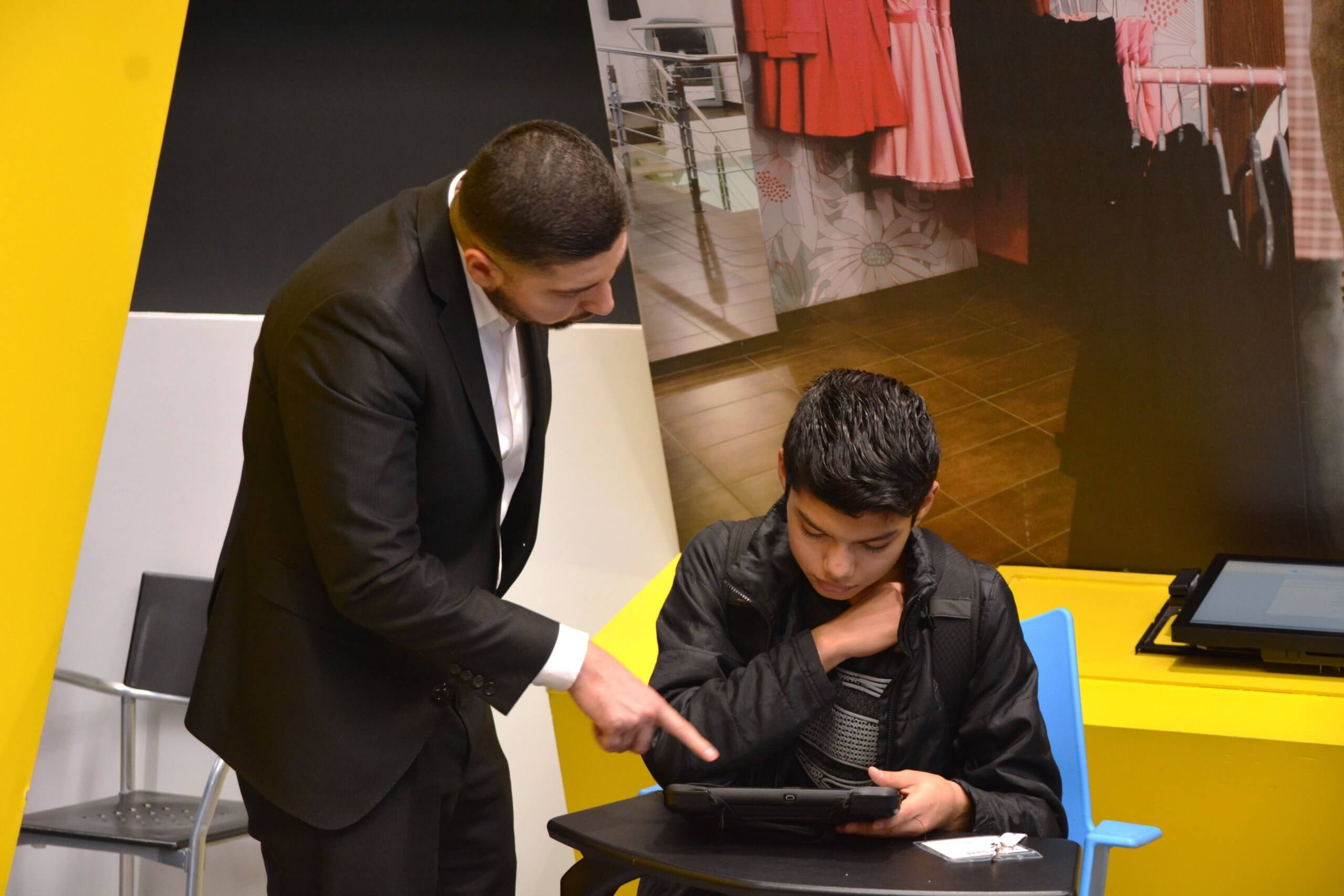
Locally, budgeting simulation programs like Junior Achievement Finance Park provide an opportunity for students to engage in experiential financial literacy education. Given an adult persona with kids, debt, and a salary based on real San Diego averages, students begin to make the connection between income and cost of living to what it takes to achieve their lifestyle goals in San Diego.
“Growing up, I didn’t always have a clear understanding of how to manage finances, but the program broke it down in a way that made sense. It helped me realize the real cost of living, rent, bills, credit, savings,” said Marylynn Kaiko, a JA alum and current college student at Menlo University. “Now that I’m in college, those lessons are helping me survive and stay on track. I know how to budget, prioritize, and make choices that my future self will thank me for.”
Experiential learning like JA Finance Park doesn’t just teach students where to put their money and how to spend. It connects personal finance to career and life planning to the role personal finance plays in how they can achieve their goals. Students begin recognizing how their financial habits and strategies today support them in achieving their long-term goals, such as pursuing higher education, buying a home, or starting a business.
This is especially critical for high school students as they plan for their next steps into adulthood. Experiential learning allows young people to gain hands-on insights into the financial realities of their future salary and college debt for prospective career pathways, which serves to guide students in making informed decisions on higher education and career pathways.
As financial literacy curriculum becomes available to students across the state, access to experiential learning opportunities is key to ensuring young people understand how to manage their personal finances and achieve their future financial goals.